

tanialakeland7
About tanialakeland7
The Rise of Male Enhancement Products: A Comprehensive Look at the Market and Its Implications
In recent years, the male enhancement product market has seen an unprecedented surge in popularity, driven by a combination of societal pressures, changing perceptions of masculinity, and advancements in health and wellness. If you have just about any questions relating to exactly where in addition to how you can work with erectile dysfunction treatment otc, it is possible to e-mail us in our own web-page. This burgeoning industry, encompassing a wide range of products from pills and supplements to devices and topical treatments, has sparked conversations about male sexual health, self-esteem, and the often-taboo subject of erectile dysfunction (ED).
According to market research, the global male enhancement market was valued at approximately $3.8 billion in 2020 and is projected to reach around $5.5 billion by 2027, growing at a CAGR of 5.5%. This growth can be attributed to various factors, including an aging population, increased awareness of sexual health issues, and the destigmatization of discussing male sexual performance problems. As more men seek solutions to enhance their sexual experiences, manufacturers are stepping up to meet this demand with an array of products.
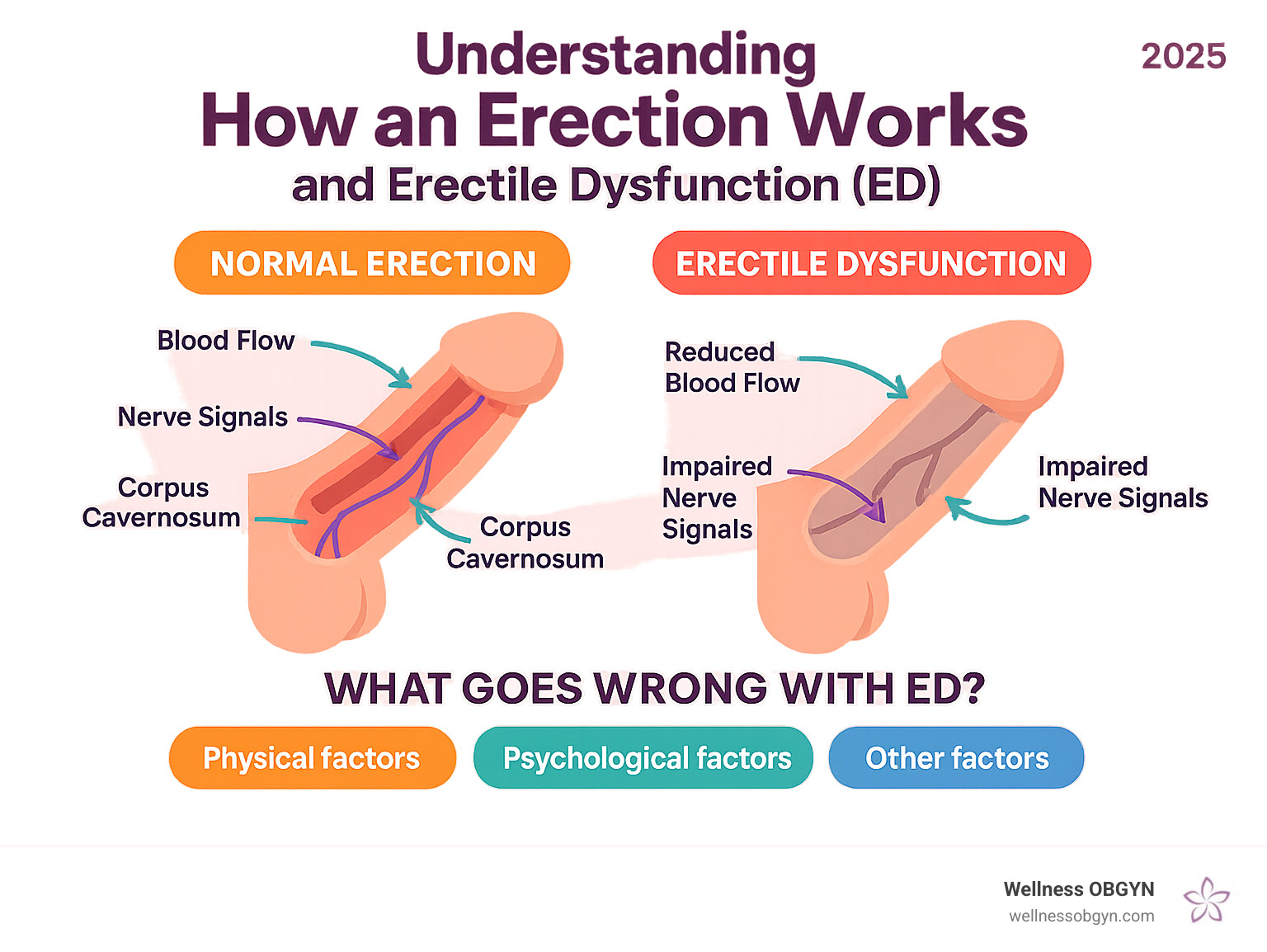
One of the most common categories of male enhancement products is dietary supplements, which often contain a blend of natural ingredients purported to improve libido, stamina, and overall sexual performance. Ingredients such as L-arginine, ginseng, and maca root have gained popularity for their supposed benefits. While some users report positive effects, experts caution that the effectiveness of these supplements can vary widely and that not all products are backed by scientific research. Additionally, the lack of regulation in the supplement industry raises concerns about product safety and quality.
In contrast to supplements, pharmaceutical options such as Viagra and Cialis have been widely recognized for their effectiveness in treating erectile dysfunction. These prescription medications work by increasing blood flow to the penis, helping men achieve and maintain an erection. However, they are not without side effects and may not be suitable for everyone. The rise of telemedicine has made it easier for men to access these medications discreetly, further contributing to the growth of the male enhancement market.
The emergence of male enhancement devices, such as vacuum pumps and penile extenders, has also changed the landscape of sexual health. These devices are often marketed as non-invasive alternatives to surgery for men seeking to increase size or improve erectile function. While some studies suggest that these devices can be effective, particularly for men with certain medical conditions, they require consistent use and may not yield immediate results. As with any product, potential users are encouraged to consult healthcare professionals before embarking on such treatments.
Despite the growing acceptance of male enhancement products, there remains a significant stigma associated with their use. Many men feel embarrassed or ashamed to seek help for sexual health issues, which can lead to feelings of inadequacy and negatively impact their relationships. This stigma is slowly being challenged through increased awareness and education, as well as the efforts of advocacy groups focused on male health issues. Public figures and influencers are also stepping forward to share their own experiences, helping to normalize conversations about male sexual health.
The marketing of male enhancement products often plays into traditional notions of masculinity, portraying the ideal man as one who is virile, strong, and always ready for sexual activity. This can create unrealistic expectations and pressure on men to perform, leading some to turn to enhancement products as a quick fix. Critics argue that this marketing strategy can perpetuate harmful stereotypes and contribute to mental health issues, such as anxiety and depression, particularly among younger men who feel they must conform to these ideals.
On the other hand, proponents of male enhancement products argue that they can empower men to take control of their sexual health and improve their quality of life. For many, these products provide a sense of agency and the opportunity to enhance their intimate relationships. The key, experts say, is to approach these products with a balanced perspective, understanding that they are not a one-size-fits-all solution and that individual experiences will vary.
As the male enhancement market continues to evolve, it is essential for consumers to educate themselves about the products they are considering. This includes researching ingredients, understanding potential side effects, and consulting with healthcare providers. Transparency and honesty in marketing are also crucial, as consumers deserve to know what they are putting into their bodies and the realistic outcomes they can expect.

Furthermore, as the conversation around male sexual health becomes more open, there is an opportunity for healthcare providers to play a more proactive role in addressing these issues. By fostering an environment where men feel comfortable discussing their sexual health concerns, providers can help destigmatize these topics and encourage men to seek appropriate treatment and support.
In conclusion, the rise of male enhancement products reflects broader societal changes regarding masculinity, sexual health, and the importance of open dialogue. While these products can offer solutions for some men, it is vital to approach them with caution and an informed perspective. As the market continues to grow, so too does the responsibility of manufacturers, healthcare providers, and consumers to ensure that male sexual health is treated with the seriousness and respect it deserves. By promoting education, transparency, and open communication, we can help men navigate the complexities of their sexual health and ultimately improve their overall well-being.
No listing found.